
Forming Saints, Daily.
A daily resource for Catholic students and teachers — celebrating the saints, learning virtue, and growing in faith together.
Saint of the Day
Friday
November 20, 2026
Feast Day
St. Edmund
King and martyr who defended the faith. Patron of England.
"Pray for us, Saint Edmund, that we may be made worthy of the promises of Christ."
What is a Saint?
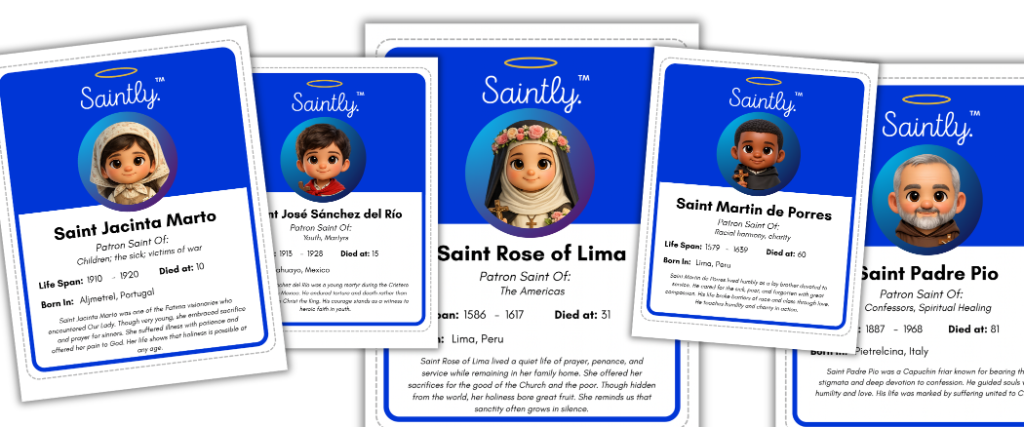
A saint is a person recognized by the Catholic Church as having lived a life of heroic virtue and holiness, and who is now believed to be in heaven with God. The word "saint" comes from the Latin sanctus, meaning "holy."
Saints are not perfect people — they were human beings who struggled, suffered, and sometimes even sinned. What made them saints was their love for God, their desire to follow Jesus with their whole heart, and their perseverance in faith even through great trials.
The Church canonizes saints not to put them on a pedestal far away from us, but to hold them up as models and friends. They show us that holiness is possible — even for children, even for ordinary people, even in our own time.
Saints are also our intercessors. Just as we ask our friends to pray for us, we ask the saints in heaven to pray to God on our behalf. They hear our prayers and bring them before the throne of God.
"The saints are our older brothers and sisters who have gone ahead of us to the Father's house. They continue to love us and pray for us." — Pope Benedict XVI
How Does Someone Become a Saint?
The Church's official process of declaring someone a saint is called canonization. It is a careful, prayerful journey that can take many decades or even centuries.
Live a Holy Life
A person must first live a life of heroic virtue — practicing faith, hope, and charity in an exceptional way. This means following Christ's teachings faithfully every day, even through suffering and hardship.
Die in God's Grace
The person must die in a state of grace — meaning they are at peace with God, having confessed their sins and accepted His mercy.
Investigation Opens (Servant of God)
After death, a local bishop opens a formal investigation into the person's life and virtues. If approved by the Vatican, the person is given the title 'Servant of God.'
Declared Venerable
The Pope declares the person 'Venerable' after confirming they lived a life of heroic virtue. This is a significant milestone — it means the Church recognizes their holy life.
Beatification (Blessed)
A verified miracle attributed to the candidate's intercession is required. After approval, the Pope beatifies the person in a special Mass, and they receive the title 'Blessed.'
Canonization (Saint)
A second verified miracle after beatification is needed. The Pope then canonizes the person — officially declaring them a Saint — meaning the Church confirms they are in heaven and can be venerated universally.
🏆 Jeopardy Game of Sainthood
Test your knowledge of saints with your class!
Real People Becoming Saints
Holiness is not just for adults or people from the distant past. Here are two young people whose causes for sainthood are active in the Church today.
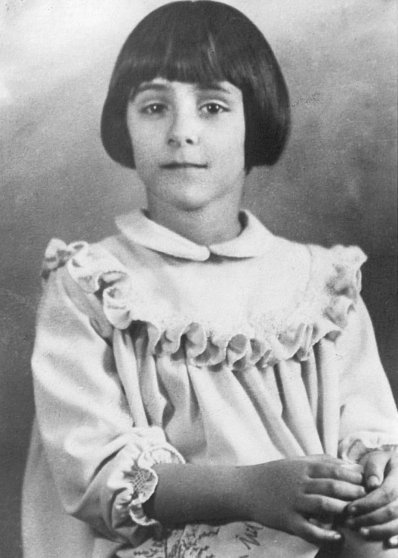
Antonietta Meo
Known as "Nennolina", Antonietta was an Italian girl who died at age 6 from bone cancer. Despite immense suffering, she dictated letters to Jesus expressing her love and acceptance of pain. Pope John Paul II declared her Venerable in 1994.
"I offer you all my sufferings so that children all over the world may love you."
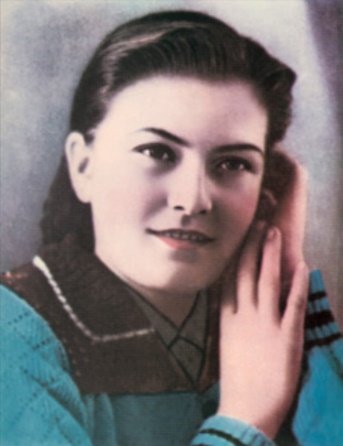
Santina Campana
Santina was an Italian woman from a poor family who joined the Sisters of Charity in Rome at age 15 and died at age 21 from tuberculosis. As a consecrated religious sister, she was known for her exceptional piety, joyful spirit, and deep love for the Eucharist.
"I want to go to Jesus. He is waiting for me."
Traditional Catholic Prayers
Want the Full Saintly Teacher Experience?
Unlock the complete Saintly dashboard — with student virtue point tracking, classroom management, daily saint display for your smartboard, spinning wheel, timer, whiteboard, rosary guide, trivia, and much more.
No credit card required to start. Cancel anytime.
Saintly™ is a Devout Teacher™ Company.
Copyright © 2026. All Rights Reserved.